
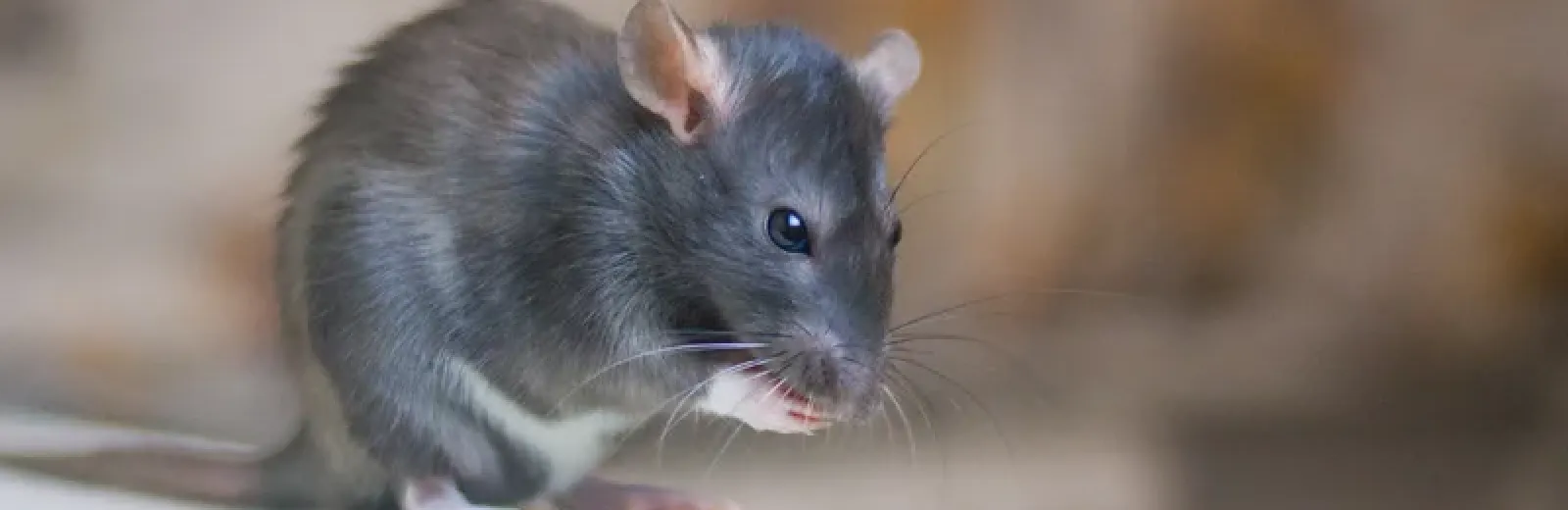


Rodent Control Service in Staten Island, NY
When rats or mice move in, they don't just cause damage—they disrupt everything you've worked hard to maintain. At Superior Pest Elimination, we get rid of them fast and keep them gone for good. Our local exterminators use proven methods like glue boards, bait stations, snap traps, dusting, and exclusion work to eliminate rats, mice, and squirrels—then follow up to make sure the problem stays solved.
Here's why homeowners in Staten Island choose Superior Pest Elimination for rodent control:
- Local exterminators
- Same-day service availability
- Free inspections
- Saturday servicing
- Green Shield® Certified—targeted treatments, fewer pesticides
- Exclusion work with a 6-month warranty
- Flexible options: one-time service or a recurring protection plan
- Over 22 years of experience
From the first inspection to the final follow-up, we handle everything so you don't have to think twice about it. Reach out today and let us take care of it.

Services on Staten Island
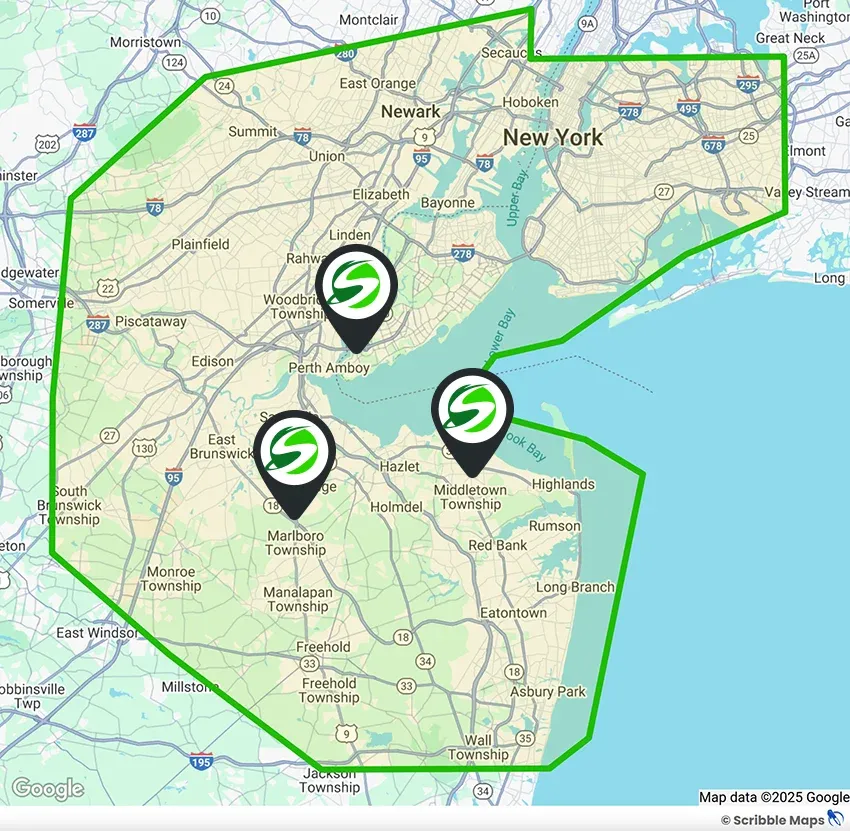
What Rats and Mice Are Really Doing Inside Your Home in New York
Rodents are not just a nuisance — they're a structural and health risk. Rats can chew through electrical wiring, wooden beams, insulation, and even PVC pipes, which means fire hazards and water damage are real possibilities when they move in. They contaminate food sources and surfaces with droppings and urine, and because they breed fast, what starts as one or two can turn into a significant infestation within weeks.
Mice cause similar problems, just on a smaller scale — though that doesn't make them less serious. They squeeze through gaps as small as a dime, and once inside, they nest in walls, cabinets, and insulation. Their constant gnawing damages drywall and stored items, and like rats, they spread bacteria and allergens throughout the spaces your family uses every day. According to the CDC, rodents are linked to over 35 diseases that can affect humans, either directly or indirectly.
Why Professional Rodent Control is needed on Staten Island
Hardware store traps and over-the-counter bait might catch a few rodents, but they don't get to the root of the problem. Without knowing where rodents are entering, how far they've spread, or what's attracting them, you're essentially playing a guessing game. Professionals identify entry points, nesting areas, and travel paths — and then treat accordingly.
Here's what working with Superior Pest Elimination on Staten Island actually looks like:
- A thorough inspection of your home, inside and out, to identify exactly what's happening and where
- A straightforward conversation about your options — whether that's a one-time treatment or an ongoing program that keeps rodents from coming back
- Strategic placement of glue boards, bait stations, snap traps, or dusting depending on the situation
- Exclusion work with a 6-month warranty to seal entry points and stop new activity from starting
- A full walkthrough with your technician after service so you know exactly what was done and what to expect next
Green Shield Certified Integrated Pest Management on Staten Island
Superior Pest Elimination is Green Shield® Certified, which means we use Integrated Pest Management practices that focus on prevention, monitoring, and targeted treatments. We reduce pesticide use wherever possible — which matters when it's your home, your kids, and your pets involved.
Same-Day Rodent Control When It Matters Most
Rodents don't slow down, and every hour they're active means more damage, more droppings, and a bigger problem to fix. Superior Pest Elimination moves fast to get a technician to your home the same day you call. We provide a straightforward inspection, the right setup of traps, bait stations, or whatever the situation calls for, and a clear explanation of what was done before we leave.
Frequently Asked Questions
Are your treatments safe for kids and pets?
Yes, of course! Your safety is our top priority. We use products and application methods that are designed to be effective and produce results, while also being safe for humans, pets, and the environment when used as directed. Our technicians are trained to apply treatments with care and responsibility.
Is rodent exclusion really worth the cost, or is setting traps enough to solve the problem?
Trapping removes the rodents currently inside your home but does nothing to prevent more from entering through the same gaps, so infestations typically return without exclusion work. Mice can squeeze through openings as small as a quarter-inch, and rats can fit under gaps as narrow as a half-inch, meaning even small cracks around pipes, doors, and the foundation are viable entry points. Exclusion seals access points with materials matched to the size and location of each gap, making it the most effective long-term step in the rodent control process. Ask about current promotions that bundle exclusion work with an ongoing pest control plan for added savings.
When during the year should I be most concerned about mice or rats getting into my home in NJ or NY?
Rodent activity in homes in New Jersey and New York increases most significantly in October and November, when cooler temperatures drive mice and rats indoors in search of warmth, shelter, and food. Homes with older foundations, utility penetrations, or gaps near crawl spaces are especially vulnerable, a common problem throughout NJ suburbs and older NYC boroughs. Starting prevention and monitoring before fall gives you the best chance of blocking entry before rodents establish nesting sites inside the walls. Once they are nesting, infestations become harder to resolve because rodents are nocturnal and use areas that are difficult to access.
Why am I still hearing scratching in the walls days after a rodent technician visited?
Continued noise in the walls after an initial rodent treatment does not always mean the service was ineffective, since it can take several days for traps to catch all active individuals. Some rodents will also avoid recently disturbed areas for 24 to 48 hours before resuming normal movement. The most common reason for ongoing activity after treatment is that entry points have not yet been sealed, allowing new rodents to enter even as existing ones are being eliminated. Completing the exclusion step alongside trapping is what creates a lasting resolution rather than a short-term reduction in activity.